Asphalt Cracks vs. Potholes: When to Call for Repairs
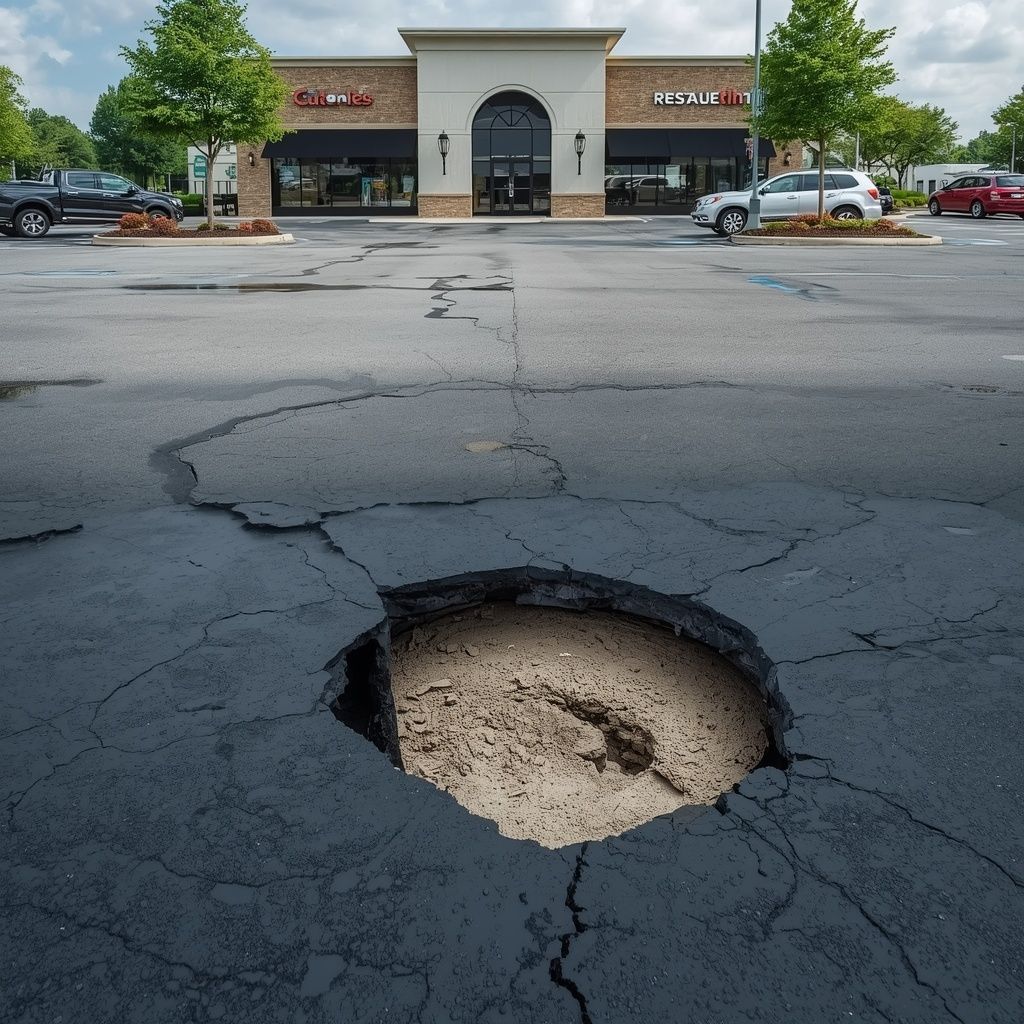
Asphalt cracks and potholes are two different problems that need different solutions. Cracks are early warning signs that can often be sealed before they worsen, while potholes signal structural damage that needs professional repair. Catching the problem early saves money and reduces safety risks for your property.
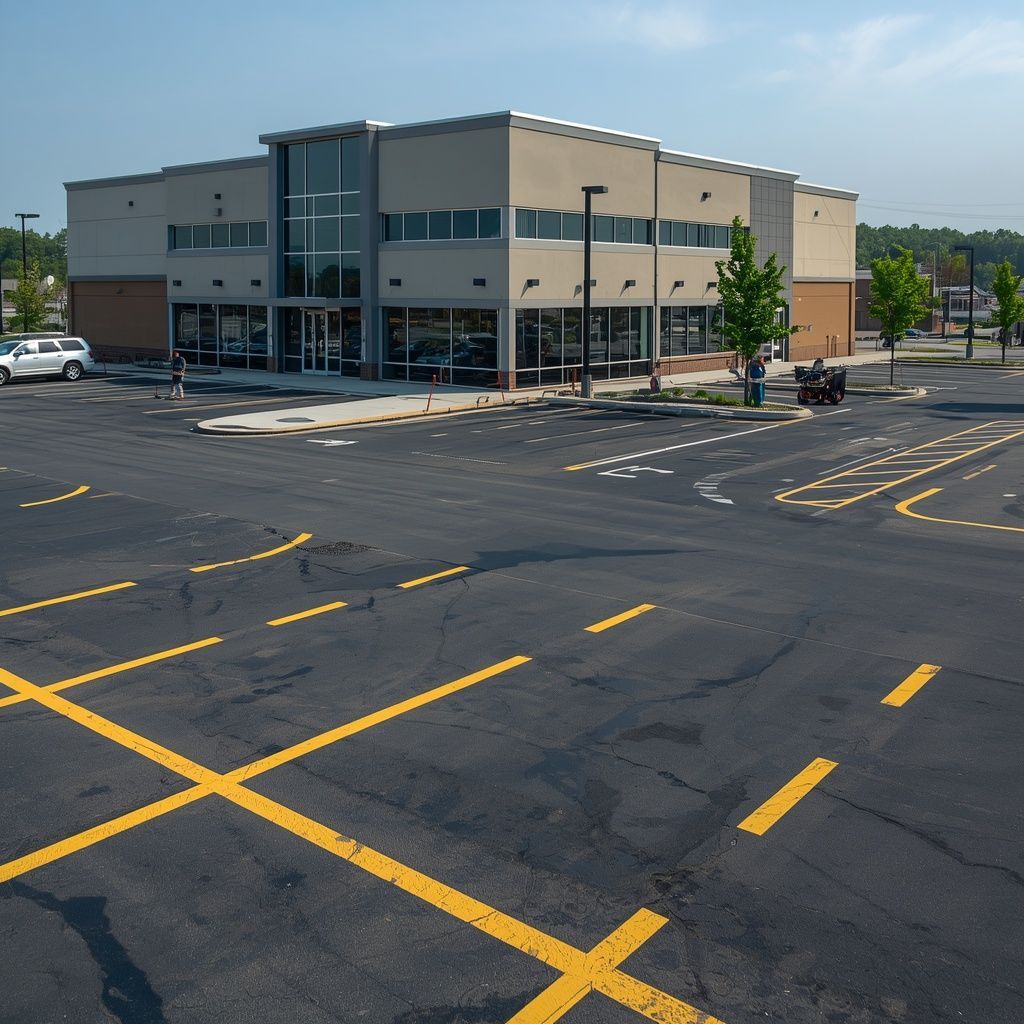
If you manage a commercial property, you've probably looked at your parking lot and wondered whether that crack is something to worry about. The short answer? Yes, it probably is, but how much you need to worry depends on what you're actually looking at.
Asphalt cracks and potholes are not the same thing. They form differently, carry different risks, and require different approaches to fix. For property managers and business owners, understanding the difference can mean the gap between a simple, affordable seal coat and a costly full resurfacing job.
This guide breaks down both problems clearly, covers what each type of damage will likely cost you, and explains when it's time to stop patching things yourself and call in a professional.
What Are the Different Types of Asphalt Cracks?
Not all cracks look the same, and that's actually useful information. The pattern of a crack often tells you what caused it.
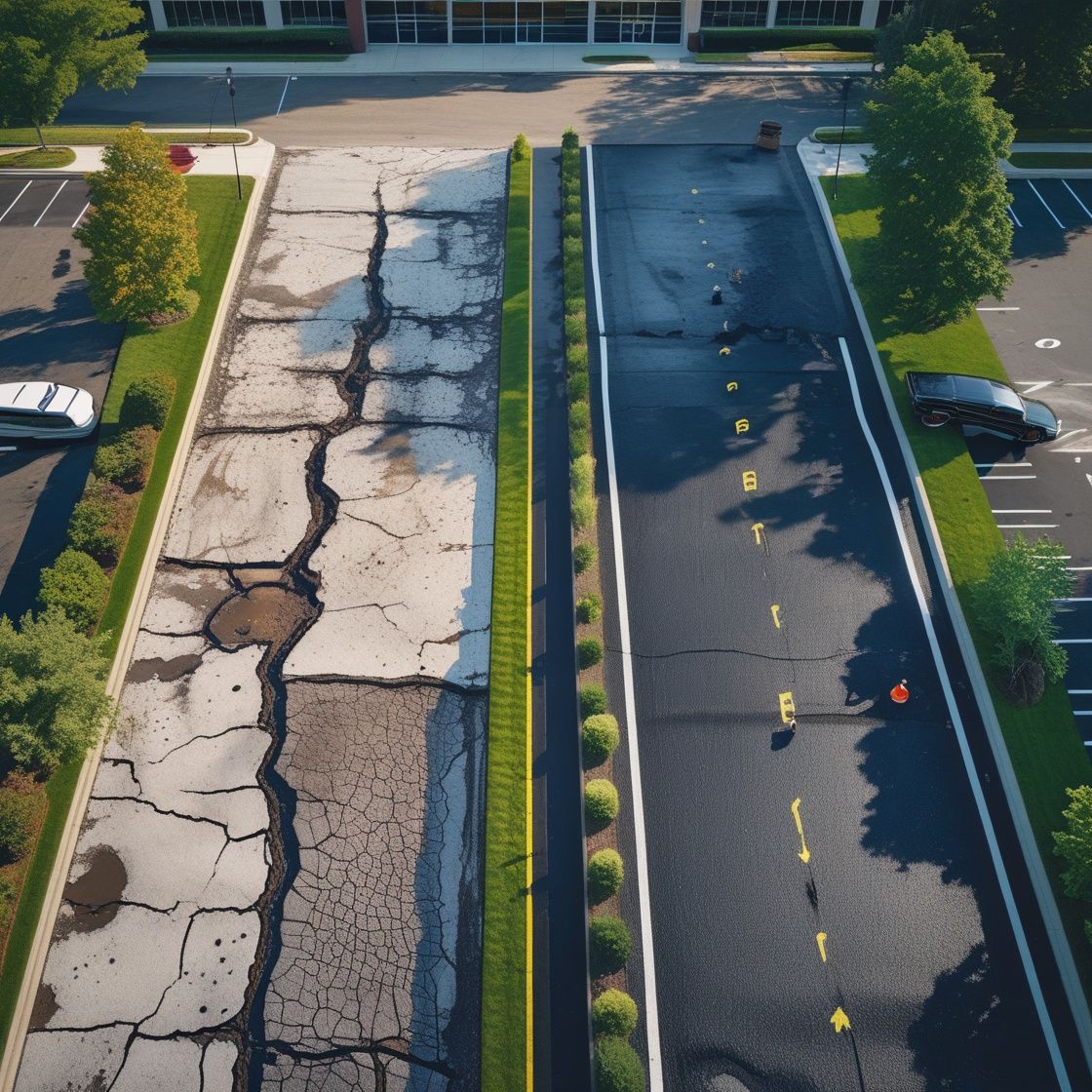
- Linear cracks run in long, straight lines across the surface. These are usually caused by the natural expansion and contraction of pavement during temperature changes, especially in areas with cold winters or hot summers.
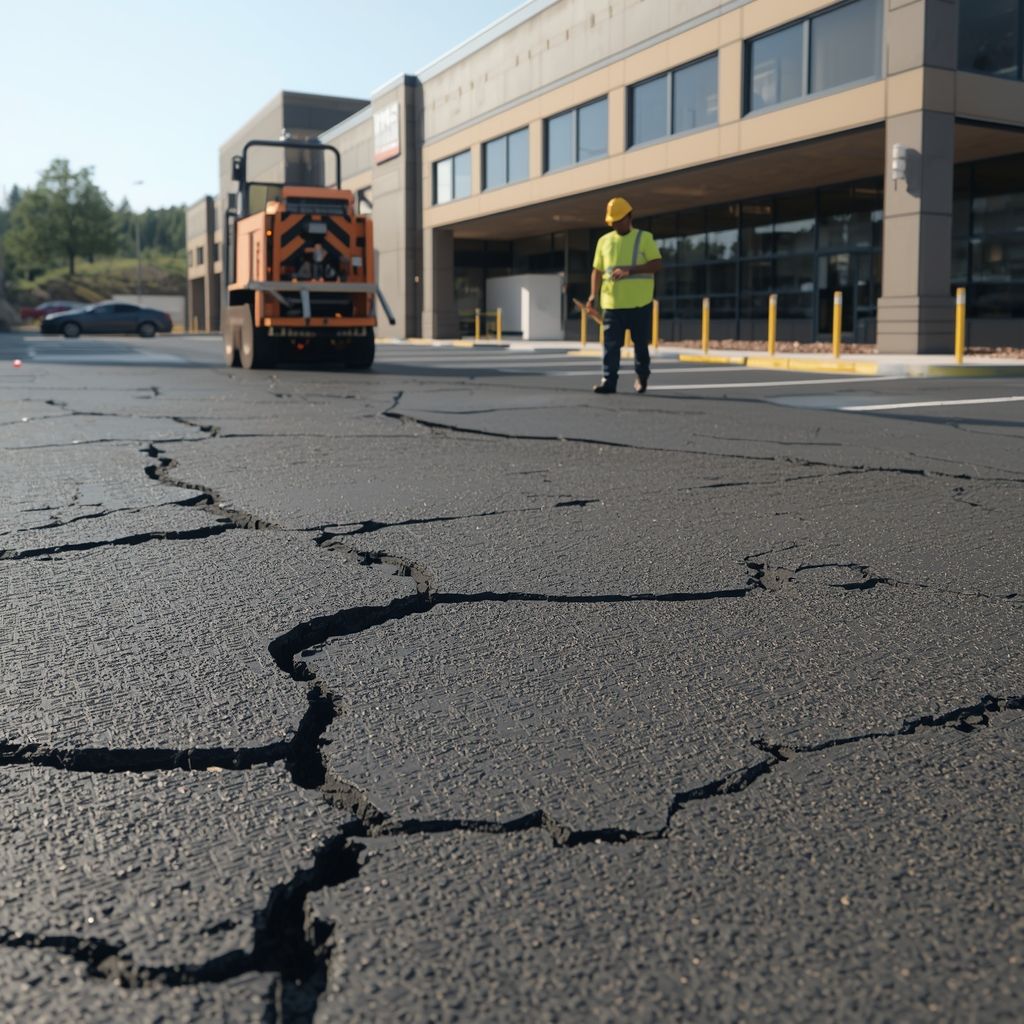
- Alligator cracking looks exactly like it sounds a network of interconnected cracks that resembles reptile skin. This pattern typically signals a deeper problem with the base layer beneath the asphalt, often caused by heavy traffic loads or weak subgrade materials.
- Edge cracking appears along the outer edges of the pavement and is usually tied to poor drainage or a lack of support at the pavement's borders.
What Causes Cracks to Form?
Several factors contribute to cracking over time:
- Age and natural wear of the asphalt surface
- Repeated exposure to freeze-thaw cycles
- Heavy vehicle traffic that stresses the pavement
- Poor drainage that allows water to sit on or seep into the surface
The good news is that small, surface-level cracks caught early can often be addressed with crack sealing a process where a rubberized sealant is applied to stop water from getting in. DIY sealant kits are widely available and work reasonably well for hairline cracks less than a quarter-inch wide. However, alligator cracking or any crack that runs deep into the base layer needs professional attention. Sealant alone won't fix a structural problem.
How Do Potholes Form, and Why Are They So Dangerous?
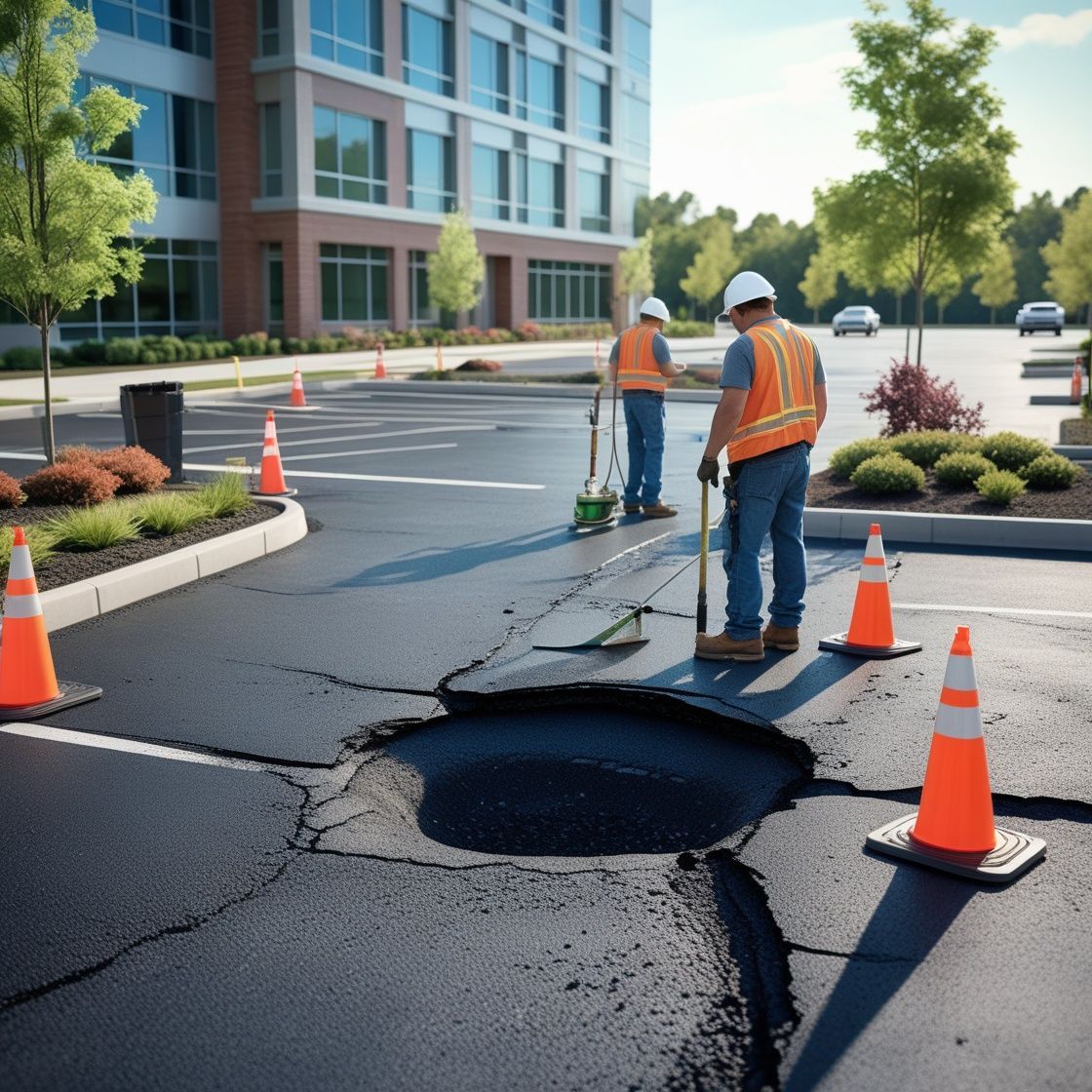
Potholes are what happens when cracks go unaddressed. Water seeps into a crack, freezes during colder months, and expands. That expansion weakens the surrounding pavement. As vehicles drive over the weakened area, chunks of asphalt break away, leaving a hole.
The danger is twofold. First, potholes are a direct hazard to vehicles, causing tire blowouts, wheel damage, and alignment problems. Second, they're a walking hazard for pedestrians, especially in busy commercial parking lots.
For property owners, potholes also create a legal risk. If a customer or employee is injured because of a pothole on your property, you could be held liable for damages. Many business owners are surprised to learn how quickly a neglected crack can become a liability issue.
Potholes also worsen fast. Once a hole forms, water infiltrates more easily with each rain. Traffic keeps breaking away loose edges. What starts as a small depression can double in size within a single season.
Comparing Repair Costs and Timelines
Understanding the financial side helps make the case for acting early. Here's a general breakdown:
- Crack sealing: Typically ranges from $0.50 to $3.00 per linear foot, depending on the severity and location. Professional crack repair on a standard parking lot can often be completed in a single visit.
- Pothole patching: Can range from $100 to $400 per pothole for a basic patch. If the base layer is damaged, partial or full resurfacing may be needed, which can run from $3 to $7 per square foot or more depending on the area size.
- Seasonal timing matters. Asphalt repair works best when temperatures are above 40°F. Cold weather affects how materials bond, which is why late spring through early fall is generally the ideal repair window in most climates.
The long-term math is straightforward. Spending a few hundred dollars on crack sealing today is far more cost-effective than spending several thousand on resurfacing down the road. Asphalt maintenance is one of those areas where procrastination is genuinely expensive.
When Should You Call a Professional?
DIY products exist, and they work for minor surface issues. But there are clear signs that a professional assessment is necessary:
- Cracks wider than half an inch or growing noticeably between seasons
- Alligator cracking covering more than a small section of pavement
- Potholes of any size, especially near high-traffic areas
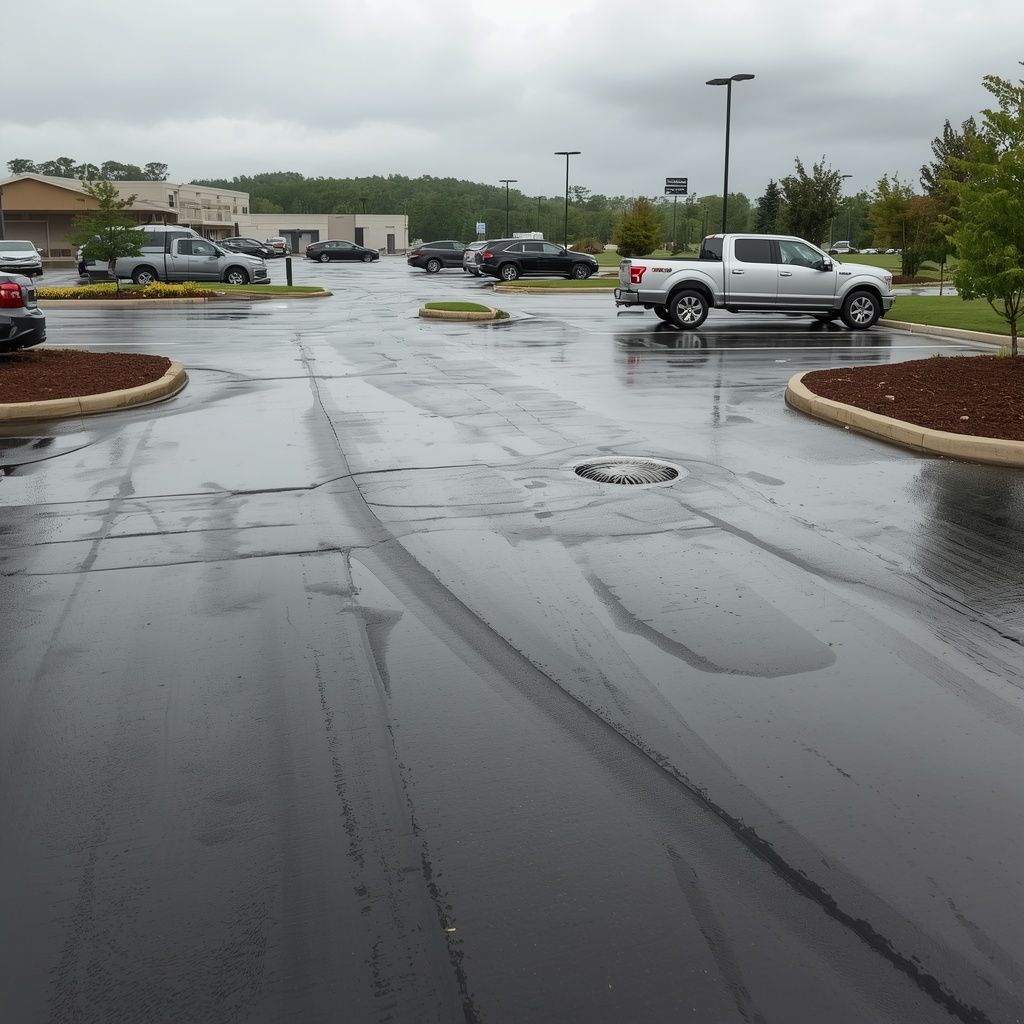
- Standing water that doesn't drain within 24 hours of rainfall
- Pavement that feels soft or spongy underfoot
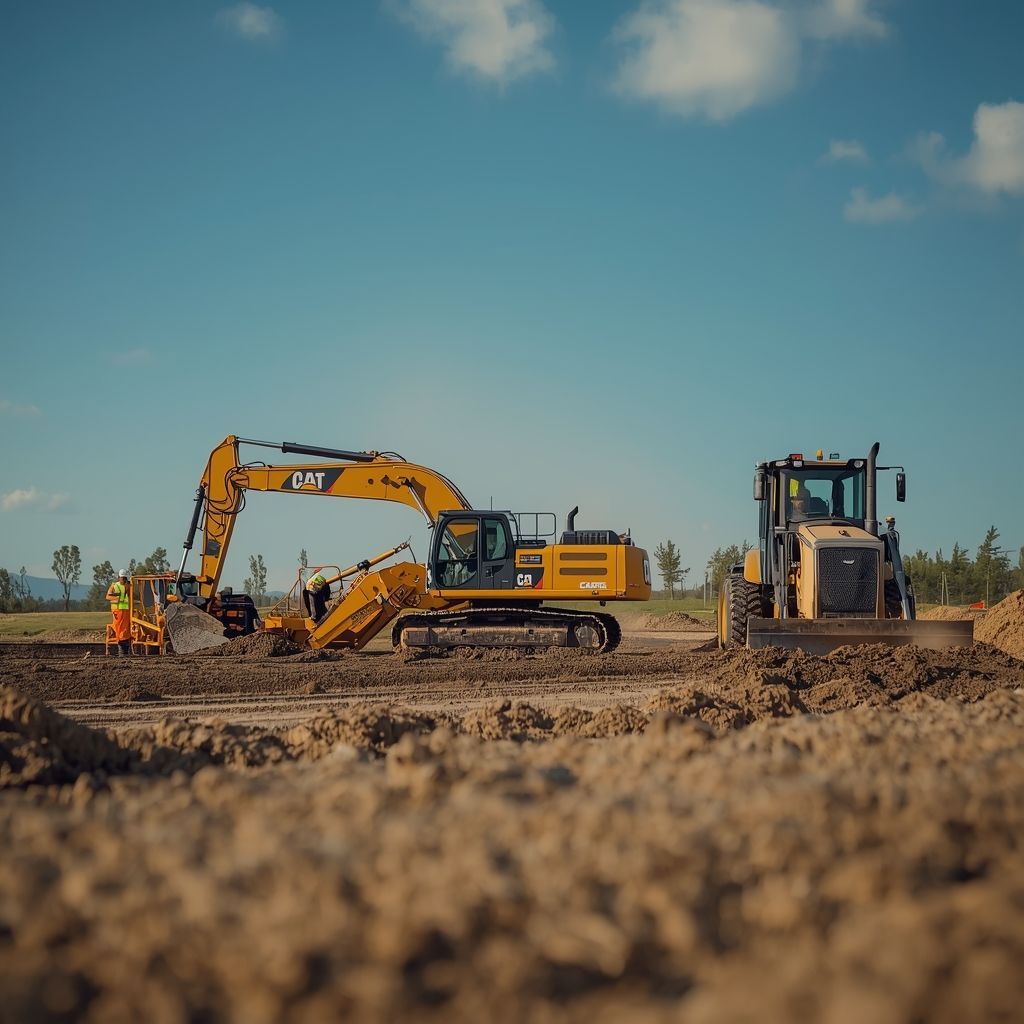
A licensed contractor won't just fill the hole they'll evaluate the underlying cause. If drainage is the root problem, filling a pothole without fixing the drainage means the problem will return within a year. Professional crews also have access to commercial-grade materials that outperform anything available in a hardware store.
When choosing a contractor, always verify that they are licensed and insured. This protects you if something goes wrong during the repair process. Look for contractors who offer a written assessment and can explain what's causing the damage, not just what they plan to apply to the surface.
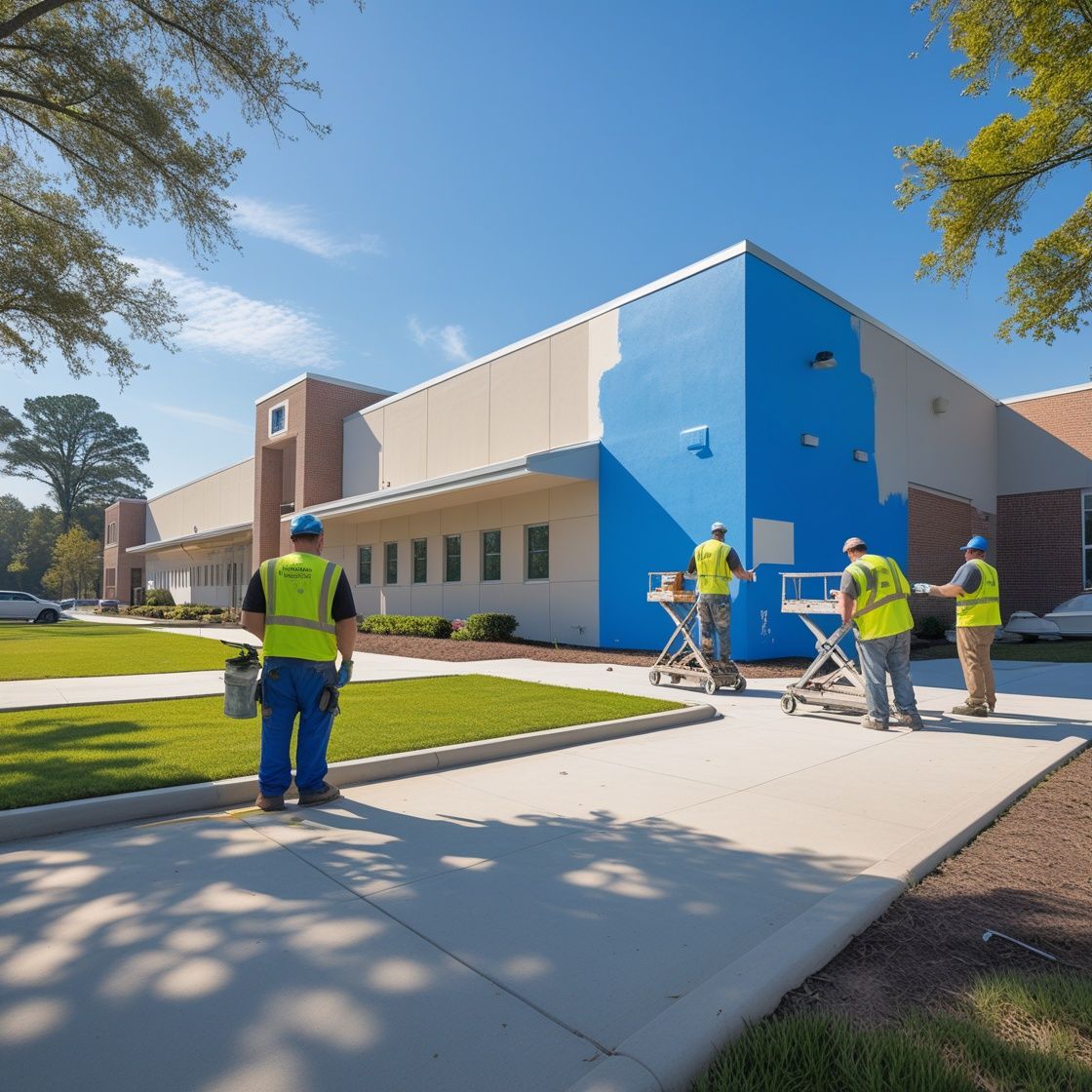
As a provider of complete facility solutions, TruBlue Services LLC evaluates parking lot damage holistically, ensuring repairs address the actual cause of deterioration rather than just the surface symptoms.
How to Prevent Cracks and Potholes from Forming
Prevention is the most cost-effective strategy available to property owners. Here's what a solid maintenance plan looks like:
- Regular inspections: Walk your parking lot at least twice a year, ideally in spring after winter freeze-thaw stress and in fall before temperatures drop again. Look for new cracks, drainage issues, and faded markings.
- Drainage maintenance: Keep drains and gutters clear. Water is the primary enemy of asphalt. Poor drainage accelerates nearly every form of asphalt damage.
- Seal coating: Applying a seal coat every two to three years helps protect the surface from UV damage, water infiltration, and oxidation. This is one of the most effective and affordable forms of asphalt maintenance available. Asphalt sealcoating in Greenville, SC is widely offered by local contractors, making it accessible for most property owners in the region.
- Traffic management: Heavy vehicles cause disproportionate stress on pavement. Where possible, designate areas for delivery vehicles or limit access for heavy trucks to specific zones.
- Parking lot cleaning: Regular parking lot sweeping removes debris, gravel, and standing water that can accelerate surface deterioration. Parking lot sweeping services near you can typically be scheduled repeatedly as part of a broader maintenance contract.
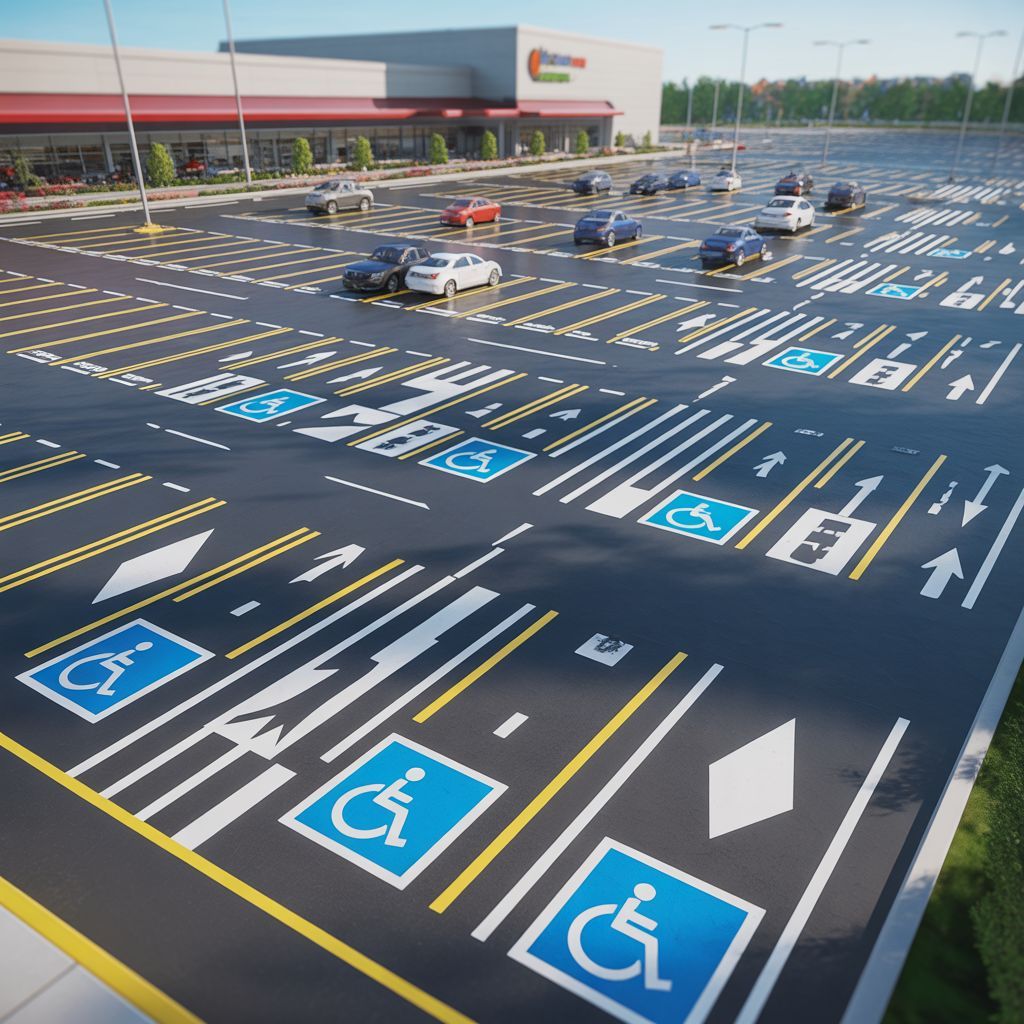
- Line striping and marking: Faded parking lot striping and marking affects traffic flow and safety. Maintaining clear lot markings also supports ADA compliance, which is a legal requirement for most commercial properties.
Taking Care of Your Parking Lot Pays Off
The difference between a crack and a pothole might seem small in the moment, but the cost difference between treating them early versus late is significant. Cracks are a warning. Potholes are what happens when that warning gets ignored.
For property managers and business owners, the most valuable habit is consistency. Regular inspections, prompt repairs, and a relationship with a reliable contractor will extend the life of your asphalt and keep your property safe, compliant, and professional-looking year-round.
If you're not sure what your parking lot actually needs, a professional assessment is the right place to start. TruBlue Services LLC offers comprehensive parking lot maintenance, including crack repair, pothole patching, sealcoating, and line striping across the greater Greenville area.
Ready to protect your property? Schedule your assessment with TruBlue Services today.